In a nutshell: Hamzatul Wasl is a connecting letter that is pronounced only when it appears at the beginning of a sentence or after a pause, and it is not pronounced in the middle of words. In contrast, Hamzatul Qat’ is always pronounced, whether it comes at the beginning, middle, or end of a word, and is part of the word’s structure.
I’ll explain the rules and uses of the types of Hamza, Hamzatul Wasl همزة الوصل and Hamzut Alqat’ همزة القطع, especially focusing on Hamzatul Wasl. Well, it’s commonly known as Hamzatul Wasl, but I see the more accurate term for it is Alif al-Wasl ألف الوصل. Either way, we’ll be taking a closer look at it.
We’ll go through definitions of Hamza, rules, examples – including examples in the Quran – to make sure you have a clear understanding by the end. So, let’s get started!
What is Hamzatul Wasl?
Hamzatul Wasl is an Arabic letter that is pronounced at the beginning of speech but omitted when connected to the preceding word. It is written as a straight alif (“ا”) without a hamza ء above or below it. And as I’ve mentioned above, it is also called “Alif al-Wasl”.
Hamzatul Wasl is the connecting Hamza. It has a specific purpose: to make Arabic words easier to say, especially when they’re used in a sentence with other words.
If we try to pronounce the sentence “المعاجم هي الوسيلة التي نتعرف من خلالها على معاني الكلمات” and contemplate the underlined words, we notice that we pronounced the alif only in the word “المعاجم” because it is at the beginning of the sentence. Then, the alif was omitted when pronouncing the other words “الوسيلة”, “التي”, and “الكلمات”.
You see, Arabic is a language that flows. We don’t like interruptions between words because it makes speech sound choppy. So, Hamzatul Wasl comes in to help us connect words smoothly without needing to stop or pause.
But Hamzatul Wasl has some rules, and knowing these rules helps us say things naturally. Now, I will guide you step-by-step through how Hamzatul Wasl works, where it appears, and what to remember.
What are the Rules of Hamzatul Wasl?
Now, let’s dive deeper into the rules of Hamzatul Wasl. These rules help us know when to pronounce Hamzatul Wasl and when to skip it, which is very important for smooth reading and speaking in Arabic. Following these rules will improve your pronunciation and help your Arabic sound more natural.
Rule 1: Pronounce Hamzatul Wasl When at the Start of a Sentence
This is the first and main rule: if a word with Hamzatul Wasl starts the sentence, we pronounce it. In this case, it sounds like a normal Hamza. So, if you start with the word, you hear the “a” or “i” sound.
For example: اسم (name) → Ism
If it’s at the beginning of a sentence, like in “اسمك جميل” (Your name is beautiful), you pronounce it as ismuka jameel.
Rule 2: Skip Hamzatul Wasl When in the Middle of a Sentence
When a word with Hamzatul Wasl is not the first word but comes after another word in the same sentence, we skip the Hamza sound completely. Instead, we smoothly connect the words. This is how Arabic keeps its flowing, musical sound.
For example: “هذا ابن رجل كريم” (This is the son of a generous man)
Here, ابن (ibn – son) has Hamzatul Wasl, but because it’s in the middle, we don’t say the “i” sound. We say: Hathabnu rajul kareem.
Rule 3: Tanween Followed by Hamzatul Wasl
When a word with Tanween is followed by a word starting with Hamzatul Wasl, we merge the Tanween with the following word, skipping the Hamza sound. This creates a natural flow in the sentence, as the sound glides from one word to the next.
Example:
- “كتابٌ اسمه جديد” (A book whose son is new)
Here, the word كتابٌ (kitaabun – book) ends with a Tanween. اسم (ism – name) follows with Hamzatul Wasl, so we say kitaabunsmuhu jadeed without the Hamza sound in “ism.”
Tanween التنوين is a double vowel marker like ً for “an,” ٍ for “in,” or ٌ for “un”)

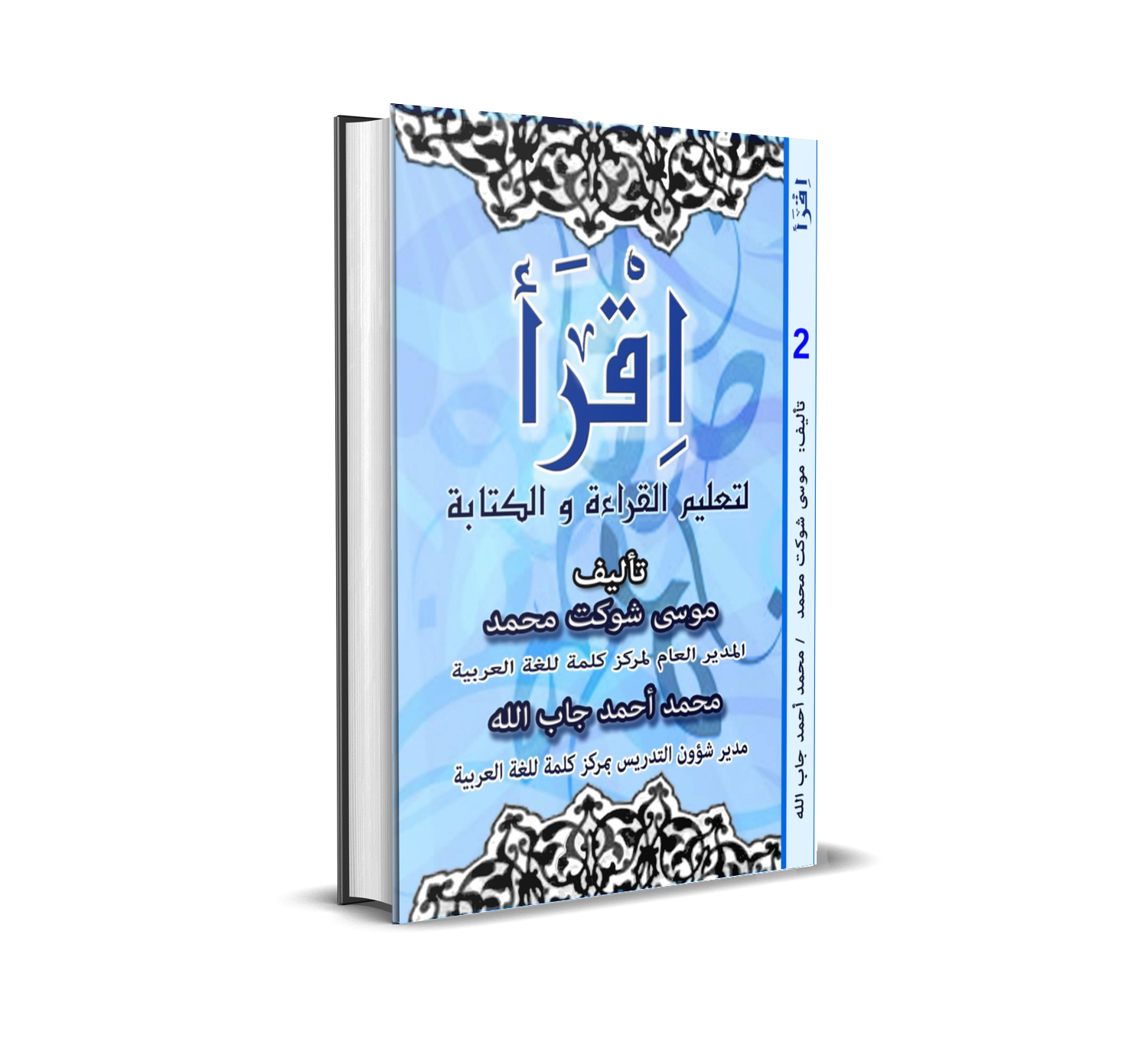
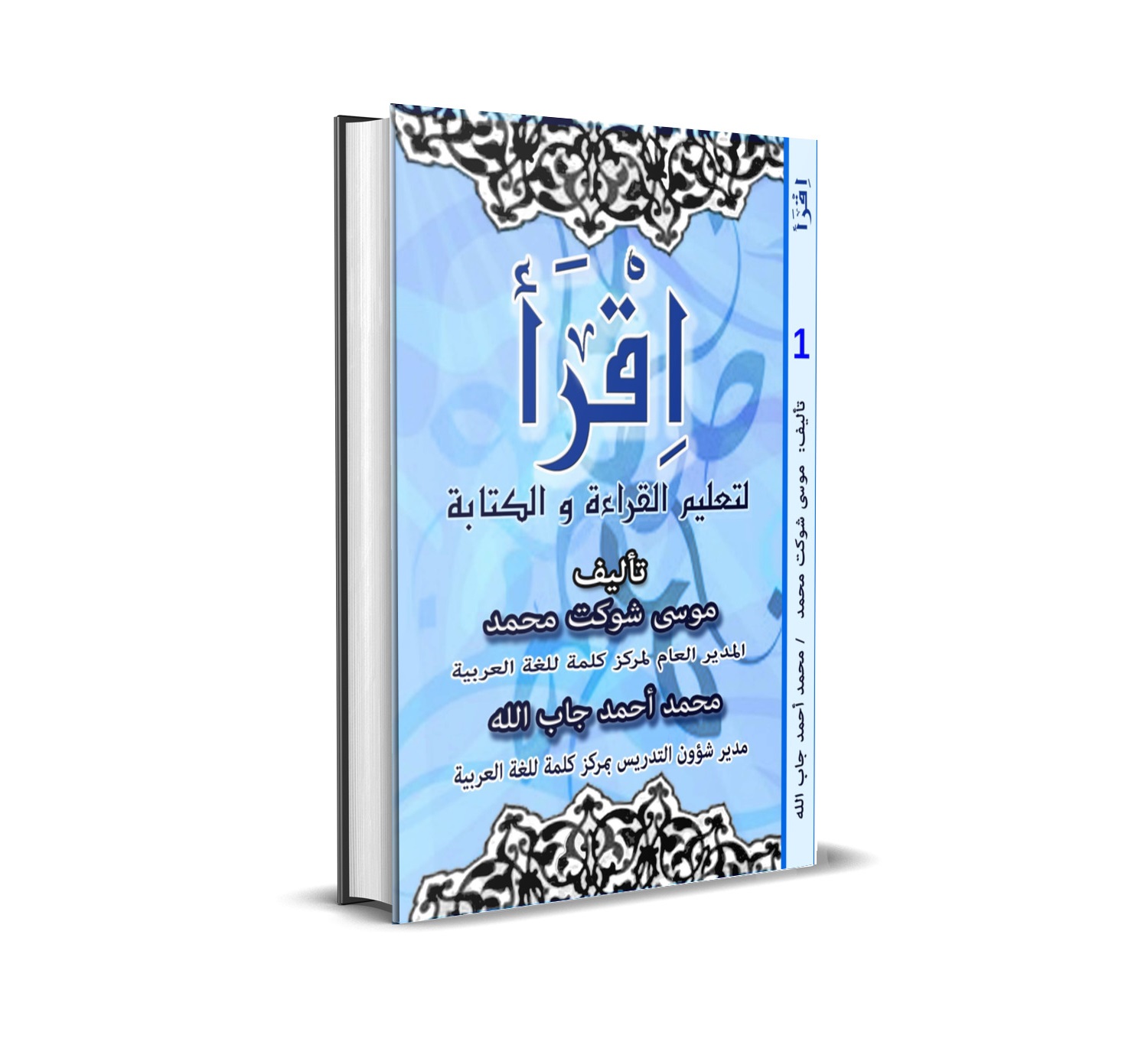
* From Kalimah’s Iqraa book, the key resource we use in our online Arabic course.
Mastering Hamzatul Wasl is important because it changes how you speak and read Arabic naturally. At Kalimah Center, we help students get comfortable with these rules by giving personalized exercises and feedback.

Experience Kalimah Center Classes
Watch real excerpts from our live sessions at Kalimah Center and see how we bring learning to life. These clips highlight our interactive, student-centered teaching approach across all our courses—designed to keep learners engaged, motivated, and actively involved every step of the way.
Master Arabic with Kalimah Center
Join our expert-led online classes and start your journey toward Arabic fluency today.
Book Your Free TrialHamzatul Wasl Examples
To understand Hamzatul Wasl fully, let’s see examples that also highlight where Hamzutal Wasl appears in Arabic. Hamzatul Wasl can be found in certain nouns, verbs, and particles. It follows specific patterns, making it easier to recognize once you know these rules.
We will go through examples in each category so you can see how it works.
1. Examples of Hamzatul Wasl in Arabic Particles
In Arabic, Hamzatul Wasl appears in only one particle, and that is (ال), the definite article used to mean “the”.
When (ال) is attached to a noun, it shows that the noun is definite, such as “the book,” “the house,” etc. When connecting it to other words, the Hamza is dropped for a smoother flow.
Examples: العلم (al-‘ilm) – the knowledge
In a sentence: “أحب العلم” (I love knowledge) – uhibb al-‘ilm.
In these cases, if we start with the word, we pronounce the “a” sound of ال as usual. But if it connects to the previous word, we skip the Hamza sound and read it directly.
2. Examples of Hamzatul Wasl in Nouns
Hamzatul Wasl in nouns appears only in nine specific nouns. These words are common in Arabic and important to know.
The Nine Nouns with Hamzatul Wasl:
- اِبن (ibn) – “son”
- اِبْنَة (ibnah) – “daughter”
- اِثْنَانِ (ithnāni) – “two (masculine)”
- اِثْنَتَانِ (ithnatāni) – “two (feminine)”
- اِسم (ism) – “name”
- اِمْرُؤ (imru’u) – “man”
- اِمْرَأَة (imra’ah) – “woman”
- ايْمُ الله (aymu Allāh) – “by Allah”
- ايْمُنُ الله (aymunu Allāh) – “by the oath of Allah”
For these nouns, Hamzatul Wasl is pronounced only if the word is at the start. Otherwise, we skip the Hamza sound and move directly from the previous word.
Example Sentences:
- “اسمك جميل” (Your name is beautiful) – Ismuka jameel.
- “هذا ابن رجل كريم” (This is the son of a generous man) – Hathabnu rajul kareem.
3. Examples of Hamzatul Wasl in Verbs
Hamzatul Wasl appears in certain verbs based on the verb form. Here, we’ll cover the rules for Hamzatul Wasl in different types of verbs, especially in imperatives and specific past and command forms.
Three-Root Imperative Verbs (فعل الأمر الثلاثي):
In Arabic, commands of three-letter root verbs (past simple forms) start with Hamzatul Wasl.
Examples:
- اجلسْ (ijlis) – sit
- اذهبْ (idhhab) – go
- اشربْ (ishrab) – drink
If the command is the first word in the sentence, we pronounce the Hamza. If there’s something before it, we skip the Hamza sound.
Five-Letter Verbs and Command Forms (الفعل الخماسي):
When a five-letter verb appears in its past form, imperative, or verbal noun, it starts with Hamzatul Wasl.
Examples:
- ابْتَعَدَ (ibt’aada) – he distanced himself
- ابْتَعِدْ (ibt’aid) – distance yourself!
- ابتعاد (ibt’iaad) – distancing
The Hamzatul Wasl makes it easier to start words with consonant clusters, giving a smooth “i” or “a” sound at the beginning.
Six-Letter Verbs and Command Forms (الفعل السداسي):
Similar to five-letter verbs, six-letter verbs in the past, command, and verbal noun forms start with Hamzatul Wasl.
Examples:
- استخرجَ (istakhraja) – he extracted
- استخرِجْ (istakhri’) – extract!
- استخراج (istikhrāj) – extraction
4. Hamzatul Wasl Examples in the Quran
In the Quran, Hamzatul Wasl is used frequently, especially in definite articles and common nouns. Practicing with Quranic examples can be very helpful for understanding Hamzatul Wasl.
- اسم الله – ism Allah (Name of Allah)
In Surah Al-Fatiha: “بِسْمِ اللَّهِ الرَّحْمَـٰنِ الرَّحِيمِ” – Bism Allah Ar-Rahman Ar-Raheem (In the name of Allah, the Most Merciful, the Compassionate).
Here, اسم (name) starts with Hamzatul Wasl, but since it’s part of the phrase and preceded by ب, we say “Bismillah” rather than “Ism Allah.”
And here in the Basmallah we delete the written ( ا ) also.
- اذهب – idhhab (go)
In Surah Taha, Ayah 24: “اذْهَبْ إِلَىٰ فِرْعَوْنَ إِنَّهُ طَغَىٰ” – Idhhab ila Fir’aun innahu taghaa (Go to Pharaoh; indeed, he has transgressed).
Here, اذهب is a command form with Hamzatul Wasl at the start, pronounced because it begins the command phrase.
- استغفر – istaghfir (seek forgiveness)
In Surah Nuh, Ayah 10: “فَقُلْتُ اسْتَغْفِرُوا رَبَّكُمْ إِنَّهُ كَانَ غَفَّارًا” – Faqultu istaghfiru rabbakum innahu kaana ghaffara (And I said, ‘Ask forgiveness of your Lord. Indeed, He is ever a Perpetual Forgiver’).
The command استغفروا starts with Hamzatul Wasl, and it’s used here to ask for forgiveness.
Tip: Reciting the Quran can be incredibly helpful to master Hamzatul Wasl.
At Kalimah Center, you can master Hamzatul Wasl with personalized lessons. In our Quran and Tajweed courses you will understand and pronounce each word as it should be, especially in Quranic recitation.
Get Your Quran Course Free Trial

Hamzatul Wasl Worksheet
To make learning easier, you can try using Hamzatul Wasl worksheets available in various Arabic learning resources, including at Kalimah Center.
Worksheets allow you to identify and practice Hamzatul Wasl in different words and sentences.
Check out this free worksheet from Kalimah Center! It’s a good resource for practicing your hamzat al-wasl knowledge:
https://drive.google.com/file/d/1yMD2SU44ZSoV78YMlGqGrrZBeBQFv_nV/view

What is Hamzatul Qat’ (همزة القطع)?
Hamzatul Qat’ (همزة القطع) is the hamza that is always pronounced and written, whether at the beginning of speech or in its connection. It is drawn in this form «ء» above the alif if it is open or dammah like: «أَكَلَ، وأُكِلَ», and below the alif if it is kasrah like: «إِبراهيم، وإِسماعيل».
If we try to pronounce the sentence “إنَّ الجهل أحد أسباب تخلف المجتمعات”, and reflect on what is above the line in it, we notice that it begins with a pronounced Hamzat Al-Qat’a.
Hamzatul Wasl connects words together and can be silent, on the other hand, Hamzatul is an “interrupting” Hamza, which is always pronounced, no matter where it is in a sentence.
It “cuts through” the flow of speech, so you never skip it or silence it – that’s why it is called qat’ (قطع), which means “cutting” in Arabic.
What Are the Rules of Hamzatul Qatʻ?
Now, let’s talk about the specific rules of Hamzatul Qat’. Unlike Hamzatul Wasl, which sometimes “disappears” in connected speech, Hamzatul Qat’ is always pronounced. This makes it unique and very important to understand, especially for correct pronunciation and clarity.
Rule 1: Hamzatul Qat Comes at the Beginning, Middle or End of Words
When Hamzatul Qat is at the start of a word, it is always pronounced. Here are examples:
- أحمد (Ahmad) — It starts with a Hamzatul Qat, so you pronounce the a sound.
- إبراهيم (Ibrahim) — Another example where the i sound from the Hamzatul Qat is pronounced.
Both these words begin with the Hamza sound that does not drop, no matter how they are connected in a sentence.
Also Hamzatul Qat can appear in the middle or end of a word, and in these cases, it is also pronounced clearly. Here’s how it appears:
- Middle of a Word: For example, سأل (sa’ala – he asked) has a Hamzatul Qat in the middle. You will pronounce the a sound in the middle of the word.
- End of a Word: For instance, بدأ (bada’a – he began) ends with Hamzatul Qat. Here, the Hamza sound is fully pronounced at the end.
This rule applies to many other words in Arabic where Hamzatul Qat stays present, making these words easy to recognize and pronounce.
Rule 2: Hamzatul Qat’ is Always Pronounced
The most important rule is that hamzatul qatʻ is always pronounced, regardless of its position in a word or sentence. Beginning, middle, end—it doesn’t matter! This Hamza demands its voice be heard.
Rule 3: Hamzatul Qatʻ Can Appear in Four Different Forms
Hamzatul qatʻ can appear in four different forms:
- On its own: Just the Hamza (ء) like in the word تساءل (Tasa’alla – he wondered)
- On Alif: (أ) like in the word أَسَد (asad – lion)
- On Waw: (ؤ) like in the word رُؤْيَة (ru’ya – vision)
- On Ya: (ئ) like in the word سُئِلَ (su’ila – he was asked)
Don’t let these different forms confuse you. They are all hamzatul qatʻ and they all share the same pronunciation rule: pronounce them!
Hamzatul Qatʻ Examples
Let’s go through examples of where Hamzatul Qatʻ appears in Arabic words. We’ll look at each type: nouns, verbs, and particles. And to make it more practical, we’ll include some examples from the Quran also.
1. Examples of Hamzatul Qatʻ in Nouns
In Arabic, Hamzatul Qatʻ appears in many nouns, especially in proper names and common nouns. The Hamza is not flexible; it stays there, no matter where the word is in the sentence.
- أحمد (Ahmad) – Ahmad
- أم (umm) – mother
- أب (ab) – father
- إيمان (imaan) – faith
When we read or write these words, we must pronounce the Hamza sound clearly at the start.
Example Sentences:
- “أحمد طالب مجتهد” (Ahmad is a diligent student) – Ahmad talib mujtahid.
- “هذا إيمانٌ قوي” (This is a strong faith) – Hadha imaanun qawi.
2. Examples of Hamzatul Qatʻ in Verbs
For verbs, Hamzatul Qatʻ is found mainly in the present tense verbs & past tense and verbal nouns of tri-lettered verbs and of four-lettered verbs. Unlike verbs with Hamzatul Wasl, we pronounce the Hamza every time, whether the verb is at the beginning or middle of the sentence.
- أكل (akala) – he ate
- أخذ (akhadha) – he took
- أمر (amara) – he commanded
- أحسن (ahsana) – he did well
If we start with the word, we pronounce it as usual; if it comes in the middle, we still keep the Hamza sound.
Example Sentences:
- “أكل الطعام كله” (He ate all the food) – Akala at-ta’aam kullahu.
- “خالد أخذ القلم وكتب” (Khalid took the pen and wrote) – Khalid Akhadha al-qalam wa kataba.
3. Examples of Hamzatul Qatʻ in Particles
Some particles also begin with Hamzatul Qatʻ. These are small words or sounds that connect other words in a sentence. We pronounce the Hamza in these particles every time, even when they’re part of a larger phrase or sentence.
- أن (an) – that
- إن (inna) – indeed
- أو (aw) – or
- إذا (idha) – if
These particles are common in Arabic and keep their Hamza sound regardless of where they appear in a sentence.
Example Sentences:
- “إن الله غفور” (Indeed, Allah is forgiving) – Inna Allah ghafoor.
- “إذا أتى الضيف، فأكرمه” (If a guest comes, honor him) – Idha ata adh-dhaif fa akrimhu.
4. Hamzatul Qatʻ Examples in the Quran
Hamzatul Qatʻ appears frequently in the Quran, making it essential for proper recitation. When reading the Quran, recognizing and pronouncing this Hamza correctly helps maintain the proper rhythm and meaning of the verses.
- أحد – ahad (one)
In Surah Al-Ikhlas, Ayah 1: “قُلْ هُوَ ٱللَّهُ أَحَدٌ” – Qul huwa Allahu ahad (Say, He is Allah, [Who is] One).
Here, أحد has Hamzatul Qatʻ, pronounced firmly.
- أخذ – akhraj (took)
In Surah Yunus, Ayah 24: “حتى إذا أَخَذَتِ ٱلۡأَرۡضُ زُخۡرُفَهَا وَٱزَّيَّنَتۡ” – Hatta idha akhadhat al-ardu zukhrufaha wa azzayyanat (When the earth has taken on its adornment).
أخذت has Hamzatul Qatʻ, pronounced as the first sound.
- يأمر – yamur (command)
In Surah An-Nisa, Ayah 58: “إِنَّ ٱللَّهَ يَأۡمُرُكُمۡ أَن تُؤَدُّواْ ٱلۡأَمَٰنَٰتِ” – Inna Allaha ya’murukum an tu’addu al-amanat (Indeed, Allah commands you to render trusts).
Here, يأمر has Hamzatul Qatʻ and is pronounced clearly.
Hamzatul Qat’ Worksheet
To solidify your grasp of Hamzatul Qat’, explore this free Hamzatul Qat’ worksheet from Kalimah Center, a valuable tool for honing your Hamzatul Qat’ skills:
https://drive.google.com/file/d/1ws3xtaxwHXPC5UG2-XC_ptdtwwuhpRhm/view

Hamzatul Qat’ and Hamzatul Wasl Comparison
To sum up, let’s briefly compare Hamzatul Qat’ and Hamzatul Wasl in a table. Below is a table showing a clear comparison of the rules, uses, and examples that make it easier to see the difference.
| Feature | Hamzatul Qat’ (همزة القطع) | Hamzatul Wasl (همزة الوصل) |
| Meaning | “Cutting Hamza” | “Connecting Hamza” |
| Pronunciation | Always pronounced, regardless of position in sentence | Pronounced only at the beginning of speech or after a pause; silent when connected to a preceding word |
| Position in word | Can appear anywhere: beginning, middle, or end Example: سَأَلَ (sa’ala – he asked) | Only at the beginning of a word Example: ابْن (ibn – son) |
| Written form | أ ، إ ، ؤ ، ئ | Usually just an alif (ا) without any Hamza sign |
| Effect on recitation | Creates a clear break in sound; like a glottal stop | Allows for a smooth connection between words; avoids abrupt stops |
| Flexibility | Inflexible; always pronounced | Flexible; pronunciation depends on its position in the sentence |
| Phonetic environment | Can be followed by any sound | Typically followed by a consonant |
| Examples in nouns | أَحْمَد (Ahmad), أُمّ (umm – mother), إِيمَان (iman – faith) | ٱسْمٌ (ismun – a name), ٱبْنٌ (ibnun – a son) |
| Examples in verbs | أَكَلَ (akala – he ate), سَأَلَ (sa’ala – he asked) | اُكْتُبْ (uktub – write!), ٱقْرَأْ (iqra’ – read!) |
| Examples in particles | أَنَّ (anna – that), إِنَّ (inna – indeed) | ٱلْ (al – the definite article) |
| Quranic examples | قُرْآنٌ (Quranun – Quran), ءَامَنُوا (amanu – they believed) | ٱلله (Allah – God), ٱلرَّحْمٰنِ (ar-Rahman – the Most Gracious) |

Master Arabic with Kalimah Center
Join our expert-led online classes and start your journey toward Arabic fluency today.
Book Your Free TrialInside Kalimah Center: Moments from Our Courses
Get a glimpse into the vibrant learning experience at Kalimah Center. These snapshots capture real moments from our live classes—where students engage deeply, connect with passionate instructors, and grow in a welcoming, supportive environment.
Here Are The Reviews On Our Courses:
Our students frequently commend the excellence of our courses and the commitment shown by our instructors. You can read their complete reviews on Trustpilot.

Master Hamzatul Qat’ and Hamzatul Wasl with Kalimah
To truly understand and use them correctly, you need more than just theory. You need practical experience and guidance from experts.
Our experinced native teachers use examples from the Quran and everyday sentences to make it easier for you to hear, understand, and use Hamzatul Wasl correctly.
Our online Arabic courses offer:
- In-depth lessons on Arabic pronunciation: We’ll cover “Hamzatul Qat’ and Hamzatul Wasl” in detail, ensuring you understand how and when to use them.
- Interactive exercises: You’ll practice using these sounds in real-life contexts.
- Focus on all skills: You’ll improve your reading, writing, listening, and speaking.
Join us for a FREE trial class.

- Do you enjoy learning with others?
- Is speaking practice important to you?
- Are you looking for an affordable option?
If you answered yes to these questions, our group classes offer a high-quality learning experience at a fraction of the cost of private tutoring.
📚 Explore Our Courses:
Online Arabic Course: Tailored to your level, our comprehensive Arabic program includes 16 teaching levels and 400+ hours of personalized sessions.
Online Quran With Tajweed Course: Perfect for non-Arabic speakers, our course spans 13 levels and equips you with Tajweed mastery from beginner to advanced.
Online Arabic Course For Kids: Nurture your child’s love for Arabic with our engaging and structured program, available in 24 levels for primary, intermediate, and secondary stages.
🚀 Start Your Free Trial Today! 🚀
Don’t miss out on this life-changing opportunity to deepen your faith and knowledge. Sign up now for your free trial and take the first step towards becoming a better practicing Muslim with Kalimah Center!
Join our community of learners today!

Conclusion:
Hamzatul Wasl and Hamzatul Qat’ are two distinct types of “Hamza” in Arabic. Hamzatul Wasl (Alif al-Wasl) is used to connect words smoothly, where the Hamza is pronounced at the beginning of a sentence but omitted when the word is linked to the preceding one. For example, in the sentence “المعاجم هي الوسيلة” (The dictionaries are the tool), the “a” sound is only pronounced in “المعاجم” but skipped in the following words.
The key rules for Hamzatul Wasl include pronouncing it at the start of a sentence, skipping it in the middle, and merging it with Tanween when it follows. It appears in specific nouns, verbs, and particles, such as “ال” (the definite article) and certain imperative verbs like “اجلس” (sit).
On the other hand, Hamzatul Qat’ is always pronounced, regardless of its position in the sentence. It appears in words like “أحمد” (Ahmad) and “إيمان” (faith), as well as in certain particles like “إن” (indeed) and “أو” (or).
Unlike Hamzatul Wasl, which is silent when connecting words, Hamzatul Qat’ “cuts” through the flow of speech and is never omitted. This rule applies across various word forms, whether at the beginning, middle, or end of a word. Recognizing and pronouncing these Hamzas correctly is crucial for proper Arabic pronunciation and Quranic recitation.
FAQs about Hamzatul Wasl and Hamzatul Qat’
What is the difference between Hamzatul Wasl and Hamzatul Qat’?
The primary difference is pronunciation consistency. Hamzatul Wasl (connecting Hamza) is only pronounced when starting a sentence or after a pause, becoming silent in connected speech. Hamzatul Qat’ (cutting Hamza) is a permanent part of the word’s structure and is always firmly pronounced, regardless of its position.
How do you identify Hamzatul Wasl and Hamzatul Qat’ in Arabic writing?
Hamzatul Wasl is written as a plain Alif ($\lhd$) without any glottal stop symbol above or below it. Conversely, Hamzatul Qat’ is explicitly written with the Hamza symbol (ء) placed either above the Alif for openings/ dammah, or below it for kasrah.
What are the nine Arabic nouns that always start with Hamzatul Wasl?
The nine specific Arabic nouns that always utilize Hamzatul Wasl are: Ibn (son), Ibnah (daughter), Ithnani (two – masc.), Ithnatani (two – fem.), Ism (name), Imru’u (man), Imra’ah (woman), Aymu Allah (by Allah), and Aymunu Allah (by the oath of Allah).
When do you skip pronouncing Hamzatul Wasl in a sentence?
You skip pronouncing Hamzatul Wasl whenever the word containing it is positioned in the middle of a sentence or directly follows another word. For example, in the phrase “Hatha ibnu”, the “i” sound of ibn drops completely, resulting in the smoothly blended pronunciation: Hathabnu.
Why does Hamzatul Qat’ change its visual form in Arabic?
Hamzatul Qat’ changes its visual seat based on Arabic spelling and phonetic rules. It can appear on its own (ء), on an Alif (أ), on a Waw (ؤ), or on a Ya (ئ). Regardless of this visual variation, the pronunciation rule remains identical: the glottal stop sound must be fully voiced.